

After a strong storm moves through the Oklahoma City Metro, most homeowners step outside for a quick look. You check for missing shingles, fallen branches, or dents in the gutters. If nothing obvious stands out, it’s easy to assume everything held up just fine. But that’s where understanding how to spot hidden roof damage after a storm becomes important.
The reality is, a lot of storm damage doesn’t show itself right away. The most common signs of hidden roof damage tend to develop over time—after moisture works its way in or materials start to break down. Knowing what to look for early helps you avoid larger repairs and keeps small problems from turning into bigger ones.
You can spot hidden roof damage after a storm by looking for subtle signs like granule loss, lifted shingles, dents on metal components, and interior moisture issues. Because these issues are not always visible from the ground, a professional post-storm roof inspection is often the most reliable way to identify them early.
What you’ll learn in this guide:
- How to recognize the most common signs of hidden roof damage
- When to begin inspecting your roof after a storm
- What homeowners typically miss during a post-storm check
- When a professional post-storm roof inspection is the right move
If you’re unsure what you’re seeing, Honor Roofing & Construction can help. We’ll inspect the roof, show you exactly what’s there, and explain what it means so you can make a clear decision.
Why Knowing How to Spot Hidden Roof Damage Matters in Oklahoma
In Oklahoma, storms don’t just pass through—they hit hard and often. Hail, high winds, and rapid temperature changes put roofing systems under constant stress. Because of that, learning how to spot hidden roof damage after a storm is especially important in this region.
Hidden roof damage is exactly what it sounds like. It’s damage that:
- Doesn’t immediately show from a quick visual check
- Develops gradually after the storm
- Often shows up later as leaks, drafts, or interior damage
When we inspect roofs after storms in areas like Edmond or Yukon, it’s common to find damage that wasn’t visible from the ground. That’s not unusual—it’s just how storm damage behaves here.
Why this matters for homeowners
Hidden damage is often the starting point for bigger issues, and storm damage and insurance claims in tornado alley show how problems can develop over time before they’re fully visible.
When to Start Inspecting Your Roof After a Storm
Knowing how to spot hidden roof damage after a storm isn’t just about what you look for—it’s also about when you look.
Immediately after the storm
Start with a safe, ground-level check:
- Look for debris around your property
- Check gutters and siding for dents
- Watch for any visible signs of impact
This first step helps you decide whether a closer inspection is needed.
Within the first few days
This is the ideal window for a more detailed look or a professional post-storm roof inspection.
During this time:
- Damage is easier to identify
- Conditions are still fresh
- Documentation is more accurate
This is typically when we inspect roofs for homeowners after a storm.
In the weeks that follow
Some hidden damage doesn’t show up right away. Over time, you may notice:
- Ceiling stains
- Musty smells in the attic
- Changes in indoor comfort
These delayed signs are often the result of damage that wasn’t visible initially.
How to Prepare Before Inspecting for Hidden Roof Damage
Before you start inspecting your roof after a storm, it helps to approach it with the right expectations.
Start with what you can safely observe
Walk your property and look for:
- Shingles in the yard
- Dents in gutters or vents
- Debris impact
These are often early indicators that hidden roof damage may be present.
Understand your role in the process
You don’t need to diagnose the problem. You’re simply looking for signs that something may be off.
What we typically tell homeowners is:
“If something doesn’t look right, that’s enough reason to take the next step.”
Know when to bring in a professional
If anything seems questionable, a professional post-storm roof inspection is the next step.
When we inspect a roof, we:
- Check all slopes and problem areas
- Look for subtle damage that’s easy to miss
- Walk you through what we find so everything is clear
How to Spot Hidden Roof Damage After a Storm (Step-by-Step)
When it comes to how to spot hidden roof damage after a storm, the key is knowing where to look and what patterns to pay attention to.
Step 1: Look for granule loss and surface changes
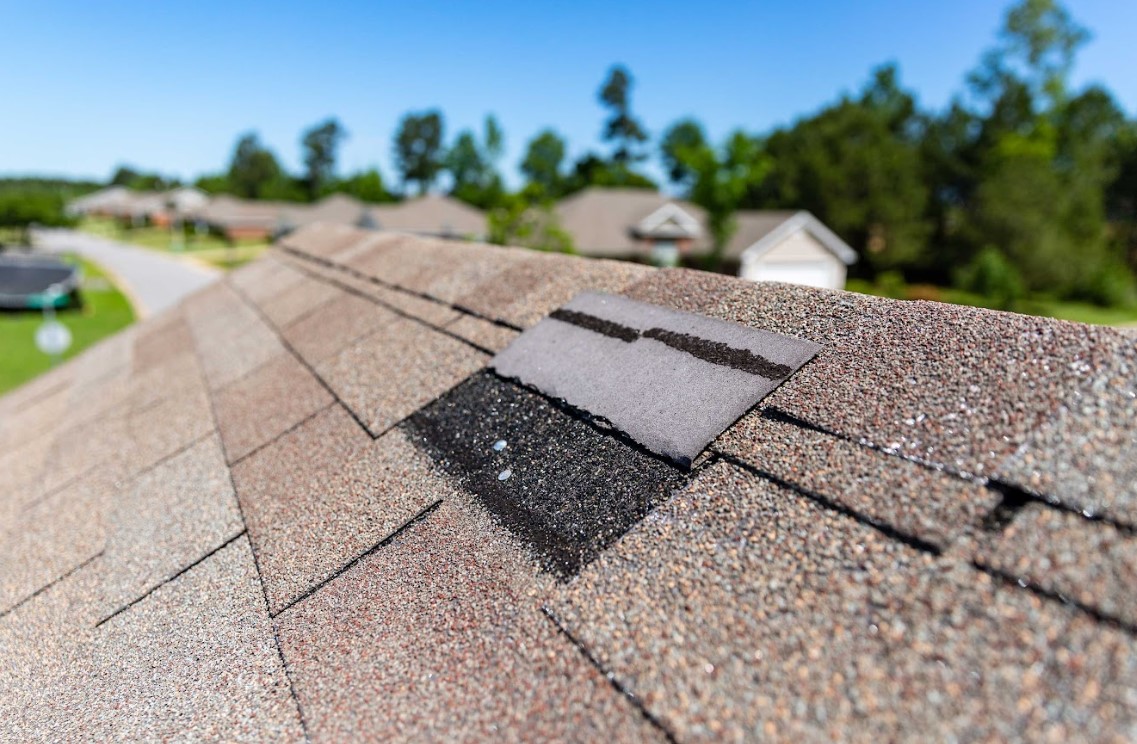
Hail damage often shows up as granule loss rather than broken shingles.
Watch for:
- Dark or bare spots on shingles
- Granules collecting in gutters
- Uneven wear patterns
This type of hidden roof damage reduces the lifespan of your roof over time.
Step 2: Check for lifted or unsealed shingles
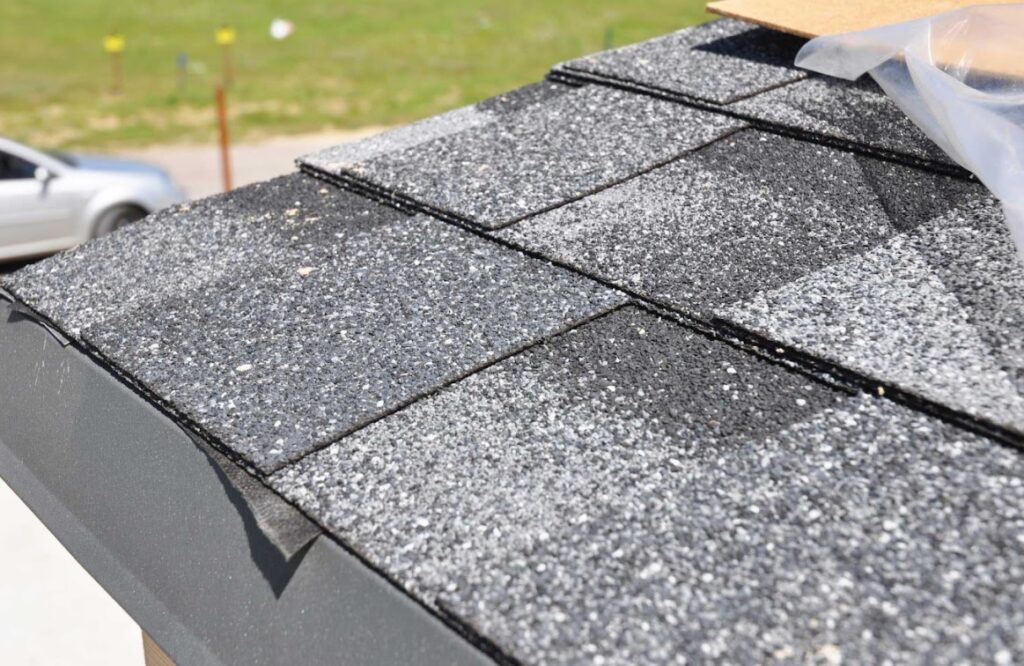
Wind can loosen shingles without removing them.
Look for:
- Edges lifting slightly
- Shingles that don’t sit flat
- Sections that appear uneven
These areas are more vulnerable during future storms.
Step 3: Inspect metal components for signs of impact
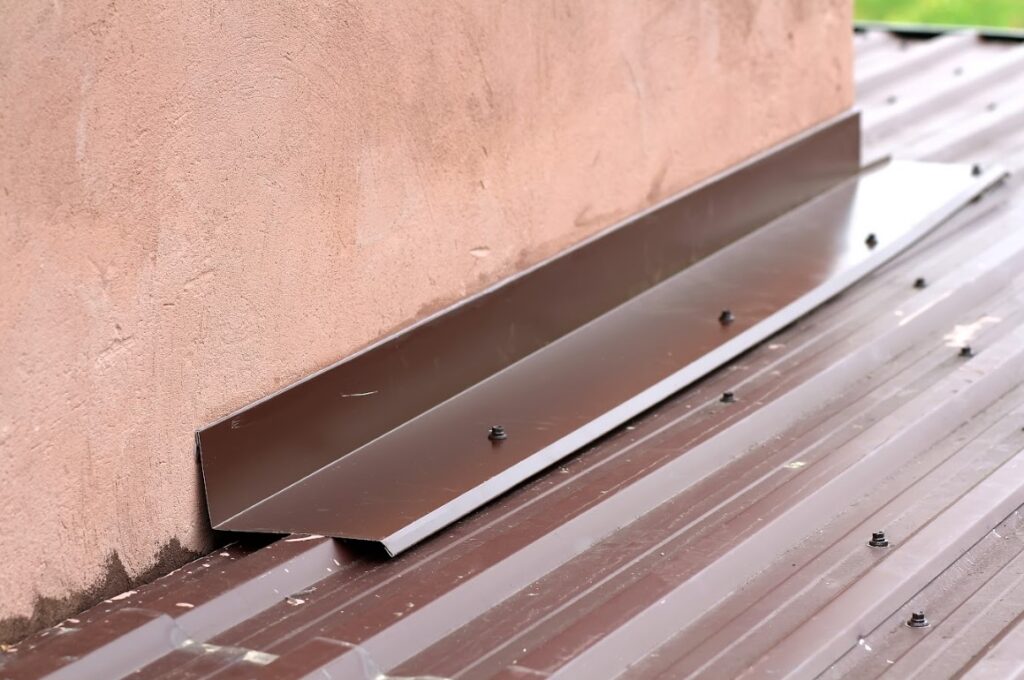
Metal surfaces often show damage more clearly than shingles.
Check:
- Roof vents
- Flashing
- Chimney caps
Dents in these areas usually indicate that the roof took a hit.
Step 4: Look for interior warning signs
Hidden roof damage often becomes noticeable inside the home.
Pay attention to:
- Ceiling stains or discoloration
- Moisture in the attic
- Changes in air quality
These signs help connect roof damage to real-world impact.
Step 5: Monitor changes over time
Not all damage shows up right away.
Over the following weeks, watch for:
- New leaks during rain
- Temperature changes in the attic
- Increased humidity indoors
These delayed signs are often tied to hidden damage.
Step 6: Bring in a professional inspection
When we inspect roofs after storms, we’re focused on what homeowners typically can’t see.
We:
- Identify hidden damage early
- Document everything clearly
- Show you exactly what’s going on
If hidden damage is confirmed, the next step is understanding your options and knowing when to file a storm damage roof claim in Oklahoma based on timing, severity, and documentation.
The Most Common Hidden Roof Damage Homeowners Miss
Even when homeowners try to spot hidden damage, certain issues tend to go unnoticed.
The most common ones include:
- Soft spots in roof decking
- Small cracks or bruising in shingles
- Flashing that has slightly separated
- Nail pops that weaken the roofing system
These may seem minor at first, but they often lead to larger problems if not addressed.
Quick Checklist: How to Spot Hidden Roof Damage After a Storm
If you want a simple way to stay on track, this checklist helps guide your inspection.
- Check gutters for granule buildup
- Look for dents on vents and metal components
- Scan for uneven or lifted shingles
- Look inside for ceiling stains or attic moisture
- Pay attention to changes over time
This is often enough to determine whether a deeper inspection is needed.
Common Mistakes When Trying to Spot Hidden Roof Damage
A lot of hidden damage gets missed because of how inspections are handled.
Common mistakes include:
- Assuming no visible damage means everything is fine
- Only checking from the ground
- Waiting too long after a storm
- Ignoring small interior warning signs
Hidden roof damage doesn’t stay small—it usually develops into something more serious.
Deep Dive: Why Hidden Roof Damage Leads to Bigger Problems
Hidden roof damage is often the starting point, not the final issue.
How small problems turn into larger repairs
- Granule loss exposes shingles to UV damage
- Moisture intrusion leads to wood rot
- Loose seals allow water during future storms
Catching these early is what prevents larger repairs.
How different roofing materials hide damage
Understanding how materials behave helps you better spot hidden damage.
Asphalt shingles
Damage often appears as subtle wear or bruising, which is easy to overlook.
Impact-resistant shingles
Damage is less visible but still possible, requiring closer inspection.
Metal roofing
Dents are visible, but functional damage may not always be obvious.
Why professional inspections matter
When we perform a professional post-storm roof inspection, we’re looking beyond obvious damage.
Pros:
- Identifies hidden issues early
- Provides clear documentation
- Helps prevent larger costs
Cons of skipping it:
- Missed damage
- Delayed repairs
- Higher long-term costs
Once hidden damage is identified, proper documentation becomes important, and documenting roof damage for insurance in Oklahoma the right way helps support your claim from the start.
How to Spot Hidden Roof Damage After a Storm: FAQs Homeowners Ask
If you’re working through how to spot hidden roof damage after a storm, these are the most common questions homeowners ask.
What is hidden roof damage after a storm?
Hidden roof damage after a storm is damage that isn’t immediately visible but can affect your roof over time. It often shows up later as leaks, moisture issues, or material failure.
How do I know if my roof has hidden damage?
You know your roof has hidden damage by looking for subtle signs like granule loss, lifted shingles, or interior moisture. A professional inspection confirms what’s actually there.
Can hail damage be invisible from the ground?
Hail damage can be invisible from the ground because it often affects the surface of shingles without breaking them. This makes it one of the most common types of hidden damage.
When should I inspect my roof after a storm?
You should inspect your roof after a storm as soon as it’s safe, with a more thorough inspection within a few days. This helps catch hidden damage early.
Do I need a professional post-storm roof inspection?
You need a professional post-storm roof inspection when there’s been significant hail or wind. This helps identify damage that isn’t visible during a basic check.
Can hidden roof damage lead to an insurance claim?
Hidden roof damage can lead to an insurance claim if it’s tied to a storm and properly documented. Early detection makes the process easier.
What happens if hidden roof damage is ignored?
If hidden roof damage is ignored, it can lead to leaks, structural damage, and more expensive repairs over time.
Final Thoughts: Spot Hidden Roof Damage Early and Stay Ahead
Learning how to spot hidden roof damage after a storm comes down to paying attention to the details, knowing when to check, and acting before small issues turn into bigger ones.
The sooner hidden damage is identified, the easier it is to address—and the less likely it is to lead to major repairs or insurance complications.
At Honor Roofing & Construction, we help homeowners get clear answers without the guesswork. We inspect thoroughly, explain what we find, and help you take the next step with confidence.
We’ll inspect your roof, check for hidden damage, and show you exactly what’s going on so you can move forward with clarity.