

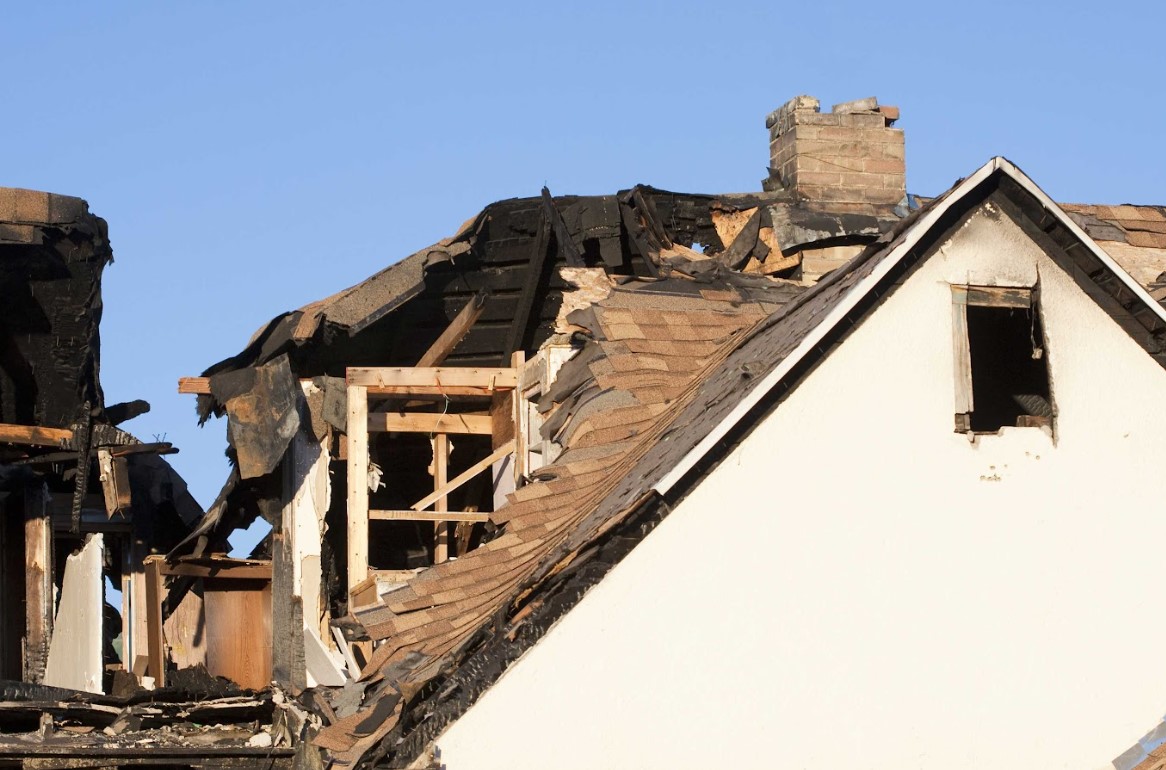
If you’ve lived through a spring storm in the Oklahoma City Metro, you know how quickly things can escalate. One minute it’s quiet, the next you’ve got hail hitting the roof and wind pushing rain sideways. Once the storm passes, most homeowners are left asking the same question: Should I file a storm damage roof claim now, or wait?
You should file a storm damage roof claim in Oklahoma after a professional inspection confirms storm-related damage, usually within a few days to a couple of weeks after the storm. Filing too early without documentation or waiting too long can both create problems with approval, coverage, and claim accuracy.
Getting the timing right matters. File too soon and you may not have what you need to support the claim. Wait too long and it gets harder to tie the damage back to the storm. The goal is to file at the right time, with the right information in hand.
What you’ll learn in this guide:
- Exactly when to file a storm damage roof claim based on real situations
- How the Oklahoma roof insurance claim process works
- What to do before filing to protect your claim
- How to avoid common mistakes that cost homeowners money
If you’re not sure where your roof stands after a storm, Honor Roofing & Construction can help. We’ll take a look, show you what we’re seeing, and give you a straight answer on what makes sense next.
Why Timing Matters When Filing a Storm Damage Roof Claim in Oklahoma
Around here, storms aren’t rare events. Between hail, high winds, and tornado activity, your roof can take multiple hits over its lifespan. Because of that, insurance companies look closely at when you file a claim and how well it lines up with a specific storm.
Here’s the reality we see with homeowners every week: timing can either make your claim straightforward or make it harder than it needs to be.
- Insurance deadlines matter: Most policies allow up to a year, but the longer you wait, the more questions come up
- Damage doesn’t stay the same: What starts as minor hail impact can turn into leaks or decking issues
- Documentation drives the claim: The sooner we can document the damage, the stronger your position
What counts as storm damage?
This is where a lot of confusion comes in. Not everything qualifies, and filing at the wrong time for the wrong reason can lead to problems.
- Hail damage that knocks granules off shingles
- Wind that lifts or removes shingles
- Damaged flashing around vents or penetrations
- Interior signs like ceiling stains or attic moisture
After large hailstorms move through areas like Edmond or Yukon, we often inspect roofs that look fine from the ground but have clear damage up close. That’s why timing your inspection is the first step in timing your claim.
What to Do Before Deciding When to File a Storm Damage Claim
Before you decide whether now is the right time to file, you want to get a clear picture of what you’re dealing with. This is where most homeowners either get it right—or run into trouble.
Start With a Professional Roof Inspection
This is where we come in.
When we inspect a roof after a storm, we’re not just looking for obvious issues. We’re checking for the kind of damage insurance companies recognize and documenting it properly.
That includes:
- Photos of impacted areas
- Notes on storm-related damage vs normal wear
- A clear recommendation on whether filing makes sense
Most of the time, this step answers the question of when to file right away.
Take a Look at Your Insurance Policy
You don’t need to know every detail, but a few things matter:
- Your deductible
- Whether you have Replacement Cost Value or Actual Cash Value
- Any age-related limitations
We’ll usually talk through this with you during the consultation so you’re not guessing.
Confirm the Storm Timing
Insurance companies often check storm dates. When we help homeowners with claims, we make sure the damage lines up with a known event. That makes the process smoother from the start.
Hold Off on Major Repairs Until It’s Documented
If something needs immediate attention, we’ll help you handle it the right way. But in general, documenting the damage first protects your claim.
When Should You File a Storm Damage Roof Claim? Real-World Scenarios
Most homeowners don’t need a technical explanation. They need to know what to do based on what’s actually happening at their house.
Here’s how we typically guide people through it.
File Immediately After the Storm
If you’re dealing with:
- Active leaks
- Missing sections of roofing
- Visible structural damage
This is not a wait-and-see situation. Filing right away helps prevent further damage and gets the process moving.
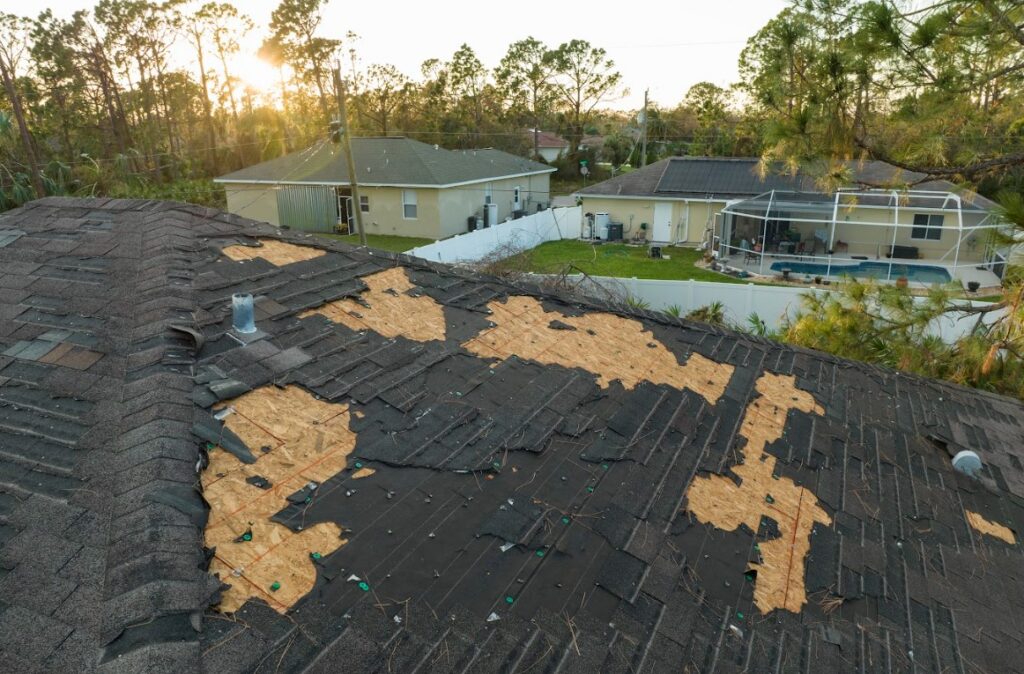
File After an Inspection (This Is the Most Common Path)
This is what we recommend in most cases.
You’ve had a storm come through, but nothing obvious is happening inside the home. That doesn’t mean everything is fine—it just means you need a closer look.
Here’s how we handle it:
- We inspect the roof
- We document any storm-related damage
- We walk you through what we found
- Then you decide whether filing makes sense
This approach keeps you from filing too early or filing unnecessarily.
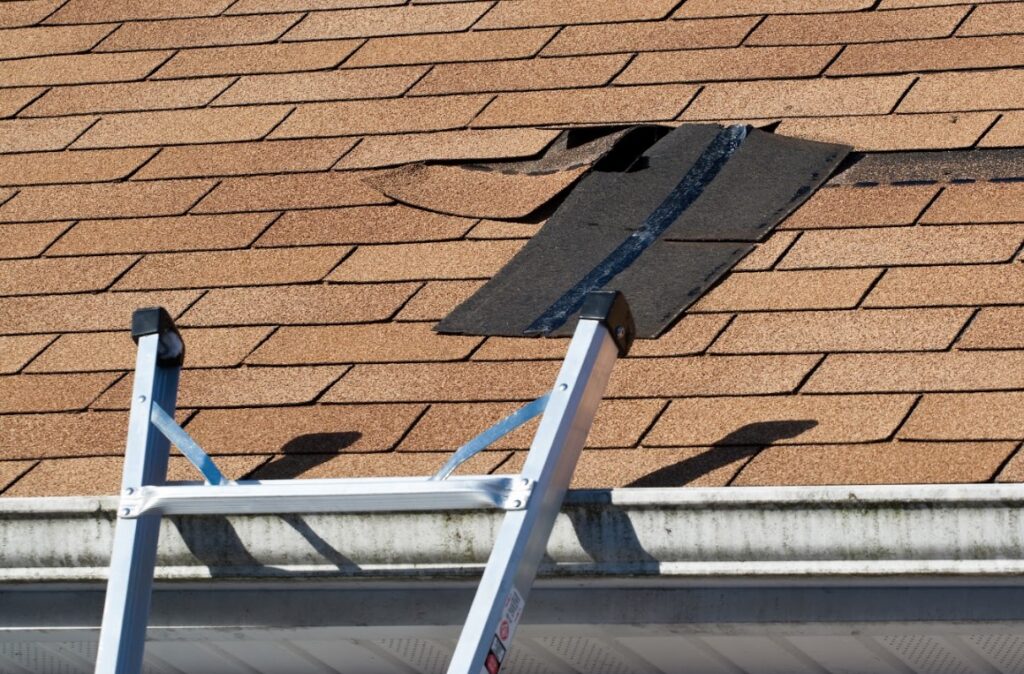
Wait and Monitor
Sometimes the right answer is to hold off.
If the roof is newer and damage is minimal or unclear, we may recommend keeping an eye on it. We’ll still document the current condition so you have a baseline.
When Waiting Too Long Becomes a Problem
We’ve also seen the other side of it.
Homeowners wait months, then call when a small issue turns into a bigger one. At that point:
- It’s harder to tie damage to a specific storm
- Insurance may question the claim
- Repairs may be more involved
Timing isn’t about rushing. It’s about not letting things sit too long without answers.
How Your Deductible Affects When You Should File
This is one of the biggest decision points.
We walk through this with homeowners all the time because it directly affects whether filing makes sense.
- If the cost of repair is below your deductible, filing usually isn’t worth it
- If the damage clearly exceeds your deductible, filing is typically the right move
- If you’re unsure, we help you understand the numbers before you decide
This step alone helps avoid unnecessary claims and keeps things straightforward.
Step-by-Step: Filing at the Right Time in Oklahoma
Once it’s clear that filing is the right move, the process itself needs to be handled carefully.
This is where having the right contractor makes a difference.
Step 1: Confirm Storm Damage
We inspect and verify that the timing and cause of damage line up.
Step 2: Document Everything
We take photos, notes, and provide clear documentation to support your claim.
Step 3: File the Claim
You submit the claim with accurate details. We help make sure nothing is missing.
Step 4: Meet the Adjuster
We meet the adjuster on-site, walk the roof with them, and make sure all damage is accounted for.
Step 5: Review the Scope
We go over the insurance scope with you and help address anything that may have been overlooked.
If you want a deeper look at how this process works after major storms, understanding storm damage and insurance claims in tornado alley helps connect how damage, timing, and insurance decisions all fit together.
Common Mistakes That Affect When You Should File
Most claim issues we see come down to timing or lack of documentation.
- Filing without confirming storm damage
- Waiting too long after a storm
- Filing for wear and tear instead of storm-related issues
- Not having a contractor present during the adjuster visit
- Accepting the first insurance scope without review
Avoiding these mistakes keeps your claim aligned with the right timing and improves your outcome.
Deep Dive: How Repair vs Replacement Affects Filing Timing
One of the biggest factors in deciding when to file a storm damage roof claim in Oklahoma is whether the damage calls for repair or full replacement.
When Repair Is Enough
If the damage is limited and the roof is still in good condition, a roof repair may be all you need.
How this affects timing:
You may decide not to file right away if the cost is manageable and below your deductible.
When Replacement Makes More Sense
If damage is widespread or the roof is nearing the end of its life, roof replacement is often the better route.
How this affects timing:
Filing sooner helps prevent further issues and ensures the damage is properly covered.
Choosing Materials That Hold Up Better
When we replace a roof after a claim, we also look at how to better prepare it for future storms.
- Architectural shingles for dependable performance
- Class 4 impact shingles for better hail resistance
- Metal roofing for long-term durability
We’ll walk you through these options during the consultation so you can make a decision that fits your home and your goals.
When to File a Storm Damage Roof Claim in Oklahoma: Common Questions Homeowners Ask
If you’re still unsure about timing, you’re not alone. These are the questions we hear most often from homeowners trying to decide when to file a storm damage roof claim in Oklahoma.
How soon should I file a storm damage roof claim in Oklahoma?
You should file a storm damage roof claim in Oklahoma after a professional inspection confirms storm-related damage, usually within a few days to a couple of weeks after the storm. This timing helps ensure your claim is properly documented and tied to a specific weather event.
Is it better to file a roof insurance claim or pay out of pocket?
It is better to file a roof insurance claim when the cost of repairs exceeds your deductible. If the damage is minor and below your deductible, paying out of pocket may be the more practical option.
What if I’m unsure whether I have storm damage on my roof?
If you’re unsure whether you have storm damage on your roof, the best step is to schedule a professional inspection. Many types of damage aren’t visible from the ground, and an inspection helps determine whether filing a claim makes sense.
Can I file a storm damage roof claim months after a storm?
You can file a storm damage roof claim months after a storm, but waiting too long can make it harder to prove the damage came from that specific event. Filing sooner after confirmation helps strengthen your claim.
Do I have to use the insurance company’s roofing contractor?
You do not have to use the insurance company’s roofing contractor, and you have the right to choose your own. Working with a local contractor often leads to better communication and a more thorough inspection process.
What happens if the insurance estimate is too low?
If the insurance estimate is too low, you can request a supplement to account for missing items or underestimated costs. A contractor can help document what was overlooked and submit it for review.
How long does the Oklahoma roof insurance claim process take?
The Oklahoma roof insurance claim process typically takes a few weeks from inspection to approval, depending on scheduling and documentation. Delays can happen if damage is not clearly documented or if additional information is needed.
Final Thoughts: Making the Right Call at the Right Time
Knowing when to file a storm damage roof claim in Oklahoma comes down to getting the right information at the right time. Once you know what you’re dealing with, the decision becomes much more straightforward.
At Honor Roofing & Construction, we keep the process simple:
- You reach out
- We inspect the roof
- We walk you through what we find
- You decide how to move forward
No pressure, no guesswork—just clear answers.
Schedule your free inspection today, and we’ll help you figure out exactly where your roof stands.