

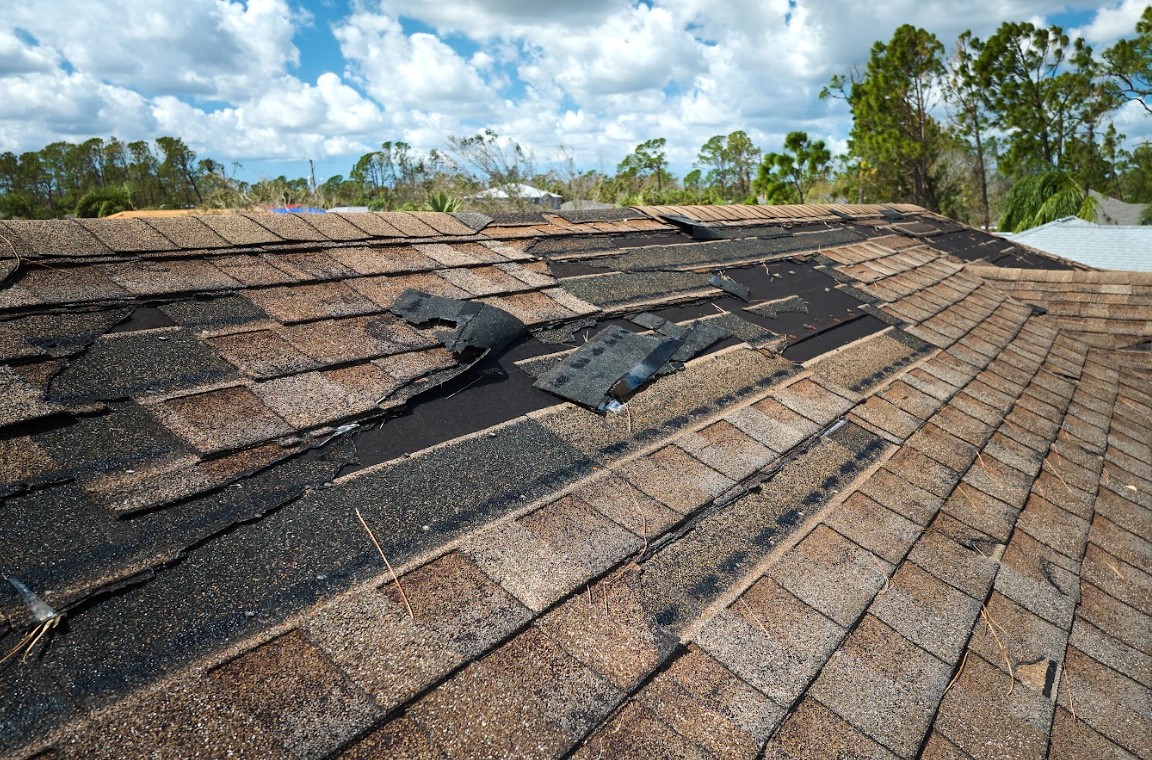
After a spring storm rolls through the Oklahoma City Metro, most homeowners step outside to check the obvious—fences, gutters, maybe a few shingles in the yard. But when it comes to documenting roof damage for insurance, what you don’t see can matter just as much as what you do.
The reality is, roof damage documentation is what your entire insurance claim is built on. If it’s done correctly, the process tends to move forward without much friction. If it’s incomplete or unclear, that’s when delays, reduced payouts, or denials start to happen.
To properly document roof damage for insurance in Oklahoma, you need clear photos of all affected areas, accurate notes identifying storm-related damage, and a professional inspection to verify what’s actually going on. Just as important, documentation should happen soon after the storm so it can be tied to a specific event.
What this guide will help you do:
- Understand what proper roof damage documentation for insurance looks like in real situations
- Learn how to document damage in a way insurance companies recognize and accept
- Know when and how to document roof damage after a storm
- Avoid common mistakes that weaken an insurance claim for roof damage
If you’re unsure how to document your roof the right way, Honor Roofing & Construction can help. We’ll walk the roof, document everything clearly, and explain what it means for your next step.
Why Documenting Roof Damage for Insurance Matters in Oklahoma
In Oklahoma, documenting roof damage isn’t just a good idea—it’s necessary. Our weather brings frequent hailstorms, strong winds, and sudden temperature changes, all of which can cause damage that isn’t immediately obvious.
Insurance companies don’t base decisions on assumptions. They rely on documentation that clearly shows:
- What was damaged
- How it was damaged
- When it likely happened
That’s why proper roof damage documentation for insurance plays such a central role in the claims process.
What proper documentation includes in real terms
When we document roof damage, we’re focused on building a clear, accurate picture of the roof’s condition:
- Photos that show both the full roof and specific damage points
- Close-up evidence of hail, wind, or impact damage
- Notes that separate storm damage from normal aging
- Details that tie the damage back to a recent storm
After storms move through areas like Edmond or Yukon, we often inspect roofs that look fine from the ground but show clear signs of damage up close. Without proper documentation, that damage can easily be missed or challenged later.
When Should You Document Roof Damage for Insurance After a Storm?
Knowing how to document roof damage for insurance is only part of the equation. Knowing when to document it is just as important.
From what we see in the field, timing often determines how strong your documentation is.
Document as soon as it’s safe
Right after a storm passes, start with what you can safely observe:
- Debris in the yard
- Visible damage to gutters or siding
- Any signs of leaks inside the home
This initial step helps establish a timeline.
Schedule documentation within the first few days
This is where proper documentation really takes shape.
Within a few days of the storm:
- A full roof inspection can be completed
- Damage can be clearly tied to that specific event
- Photos and notes are fresh and accurate
This is the window where documentation tends to be strongest.
Waiting too long creates problems
If documentation is delayed:
- Damage may worsen or change
- It becomes harder to connect it to one storm
- Insurance companies may question the claim
We’ve seen situations where waiting a few months turns a straightforward claim into a complicated one. Timing doesn’t mean rushing—it means not letting uncertainty sit too long.
What to Do Before Documenting Roof Damage for an Insurance Claim
Before you begin documenting roof damage for an insurance claim, a little preparation helps ensure your documentation is accurate and useful.
Start with a professional inspection
This is one of the most important steps in the entire process.
When we inspect a roof for documentation purposes, we:
- Check every slope, ridge, and penetration
- Look for both obvious and subtle storm damage
- Document everything in a way that aligns with insurance expectations
Documentation makes more sense when you look at the full process, especially with storm damage and insurance claims in tornado alley, where inspection, timing, and repairs all need to line up.
Understand how your policy affects documentation
Your insurance coverage helps determine what documentation needs to show.
Key factors include:
- Your deductible
- Replacement Cost vs Actual Cash Value
- Age-related limitations
We’ll usually walk through this during the consultation so you understand how documentation ties into your coverage.
Gather storm-related details
Strong documentation connects damage to a real event.
Helpful details include:
- Approximate storm date
- Type of storm (hail, wind, etc.)
- Any visible signs of damage
This information supports everything that comes next.
How to Document Roof Damage for Insurance (Step-by-Step)
When it comes to documenting roof damage for insurance, you’re really just trying to show what happened in a way that’s clear and easy to follow.
Step 1: Capture the full condition of the roof
Start with wide photos that show:
- Entire roof slopes
- Overall condition
- Any visible problem areas
This provides context for the rest of your documentation.
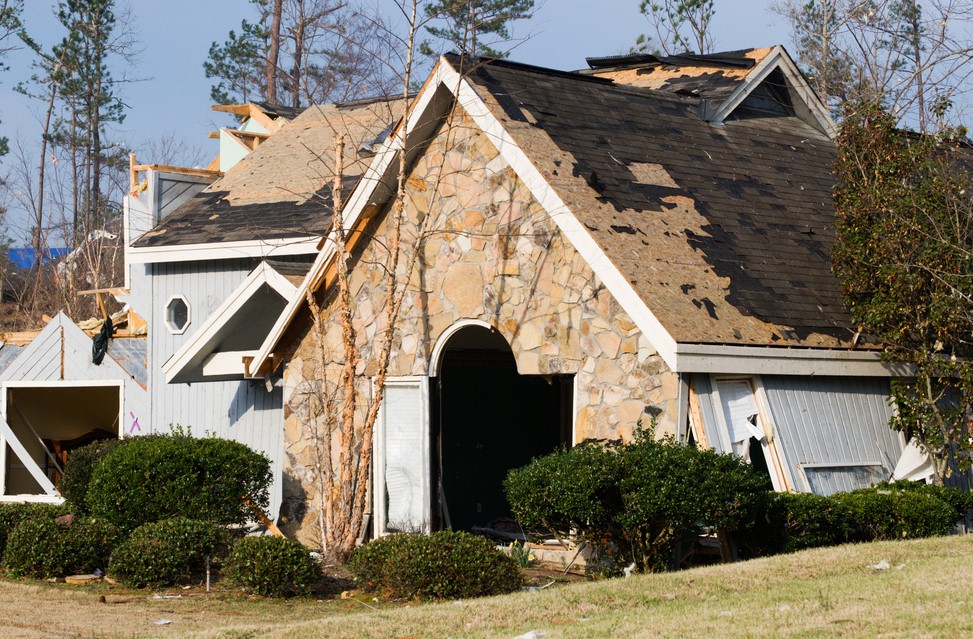
Step 2: Document specific damage in detail
Then move into close-ups that show:
- Hail impact marks
- Granule loss or bruising
- Lifted or missing shingles
These details are what support your claim.
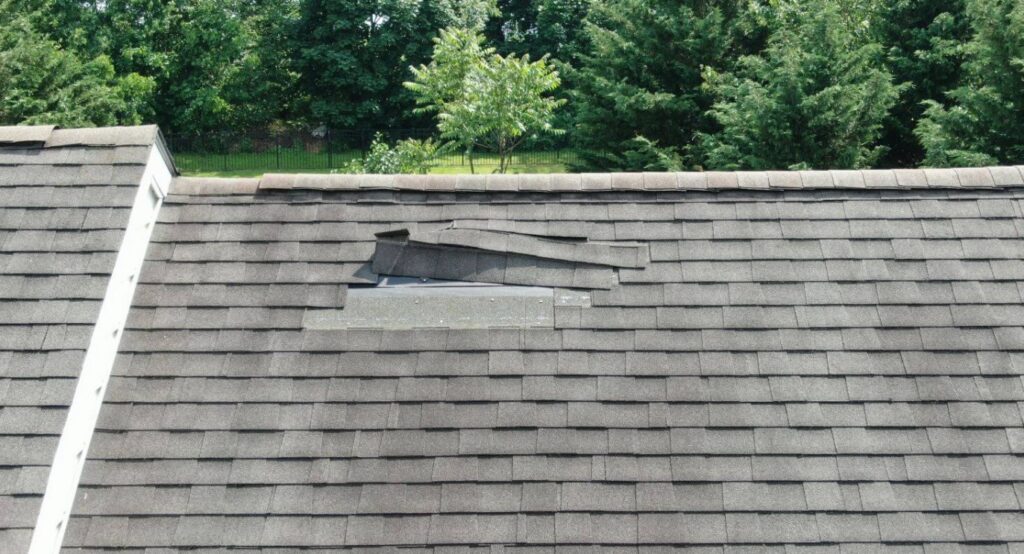
Step 3: Include all supporting components
Roof damage doesn’t happen in isolation.
Be sure to document:
- Metal vents and flashing
- Gutters and downspouts
- Valleys, ridges, and edges
These areas often provide clear evidence of storm impact.
Step 4: Document interior signs of roof damage
Interior damage helps confirm that the roof issue is affecting the home.
Take photos of:
- Ceiling stains
- Attic moisture
- Drywall changes
This connects exterior damage to real-world impact.
Step 5: Record timing and conditions
Strong documentation always includes:
- Date of the storm
- Type of weather event
- Any known local storm activity
This helps tie everything together.
Step 6: Have the documentation verified and organized
This is where many homeowners benefit from professional help.
When we document roof damage, we:
- Confirm what is storm-related
- Organize photos and notes clearly
- Make sure everything aligns with what adjusters expect
- Meet with adjusters if needed to walk through the findings
Good documentation helps you decide when to file a storm damage roof claim in Oklahoma, even when the damage isn’t obvious from the ground.
What Insurance Adjusters Look for in Roof Damage Documentation
Understanding how adjusters review documentation helps you get it right the first time.
When an adjuster looks at your claim, they’re asking:
- Does the damage match the reported storm?
- Is there clear visual evidence?
- Is the damage consistent across the roof?
- Can this be separated from normal wear and tear?
That’s why documenting roof damage correctly is so important. When everything lines up, the claim process tends to move much more smoothly.
Roof Damage Documentation Checklist
If you want to make sure your documentation is complete, this checklist covers the essentials.
- Full roof photos showing overall condition
- Close-ups of all visible damage
- Photos of vents, flashing, and metal components
- Gutters and drainage systems
- Interior damage (ceilings, attic)
- Storm date and notes
- Professional inspection report
This is the same approach we use when documenting roofs after storms.
Common Mistakes When Documenting Roof Damage for Insurance
Even small mistakes in documentation can affect your claim.
The most common issues we see include:
- Taking incomplete or unclear photos
- Missing key areas like flashing or vents
- Waiting too long after the storm
- Documenting after repairs without records
- Not verifying damage professionally
Avoiding these mistakes helps ensure your documentation supports your claim instead of slowing it down.
Deep Dive: How Roofing Materials Impact Roof Damage Documentation
Different roofing materials require different approaches when documenting roof damage for insurance.
Asphalt shingles
Hail damage often shows as bruising or granule loss, while wind damage causes lifting or missing shingles. These are easier to document but can be confused with normal wear if not evaluated carefully.
Impact-resistant shingles
Damage is less visible but still possible. Proper documentation requires a closer inspection to identify subtle impact areas.
Metal roofing
Hail damage is often visible as dents, but documentation must distinguish between cosmetic and functional damage.
How we approach documentation across materials
When we document roof damage, we adjust our process based on the roofing system. That way:
- Damage is clearly identified
- Documentation matches the material type
- Insurance review becomes more straightforward
How to Document Roof Damage for Insurance in Oklahoma: FAQs Homeowners Ask
If you’re working through documenting roof damage for insurance, it’s normal to have a few questions before moving forward. These are the ones we hear most often from homeowners trying to make sure their documentation is done correctly.
How do I properly document roof damage for an insurance claim?
You properly document roof damage for an insurance claim by taking clear photos of all affected areas, identifying storm-related damage, and recording the date of the storm. A professional inspection helps ensure your documentation is accurate and complete.
Can I document roof damage myself or should I call a contractor?
You can document roof damage yourself, but calling a contractor helps ensure the documentation is more thorough and accurate. A professional can identify damage that may not be visible from the ground.
What kind of photos are needed for roof damage documentation?
The photos needed for roof damage documentation include wide shots of the full roof and close-ups of specific damage areas. Including metal components and interior damage helps strengthen your documentation.
How soon should I document roof damage after a storm?
You should document roof damage after a storm as soon as it is safe, ideally within the first few days. Early documentation helps tie the damage to a specific storm event.
What happens if I miss damage during documentation?
If you miss damage during documentation, a professional inspection can identify additional issues and help strengthen your overall documentation. This is why many homeowners bring in a contractor early.
Can poor roof damage documentation affect my insurance claim?
Poor roof damage documentation can affect your insurance claim by causing delays, reduced coverage, or even denial. Clear and complete documentation improves your chances of a smoother process.
Do I need documentation before filing a roof insurance claim?
You need documentation before filing a roof insurance claim so your insurance company has clear evidence to review. Proper documentation supports your claim and reduces the likelihood of complications.
Final Thoughts: Proper Roof Damage Documentation Makes the Process Work
Documenting roof damage for insurance in Oklahoma comes down to timing, accuracy, and knowing what to look for. When documentation is done right, everything that follows—from filing a claim to completing repairs—becomes much more straightforward.
At Honor Roofing & Construction, we help homeowners through this every day. We inspect, document, and explain everything clearly so you can make the right decision without guesswork.
We’ll meet you on-site, document your roof the right way, and give you a clear path forward.
Schedule your free inspection today and get a complete, properly documented understanding of your roof’s condition.