

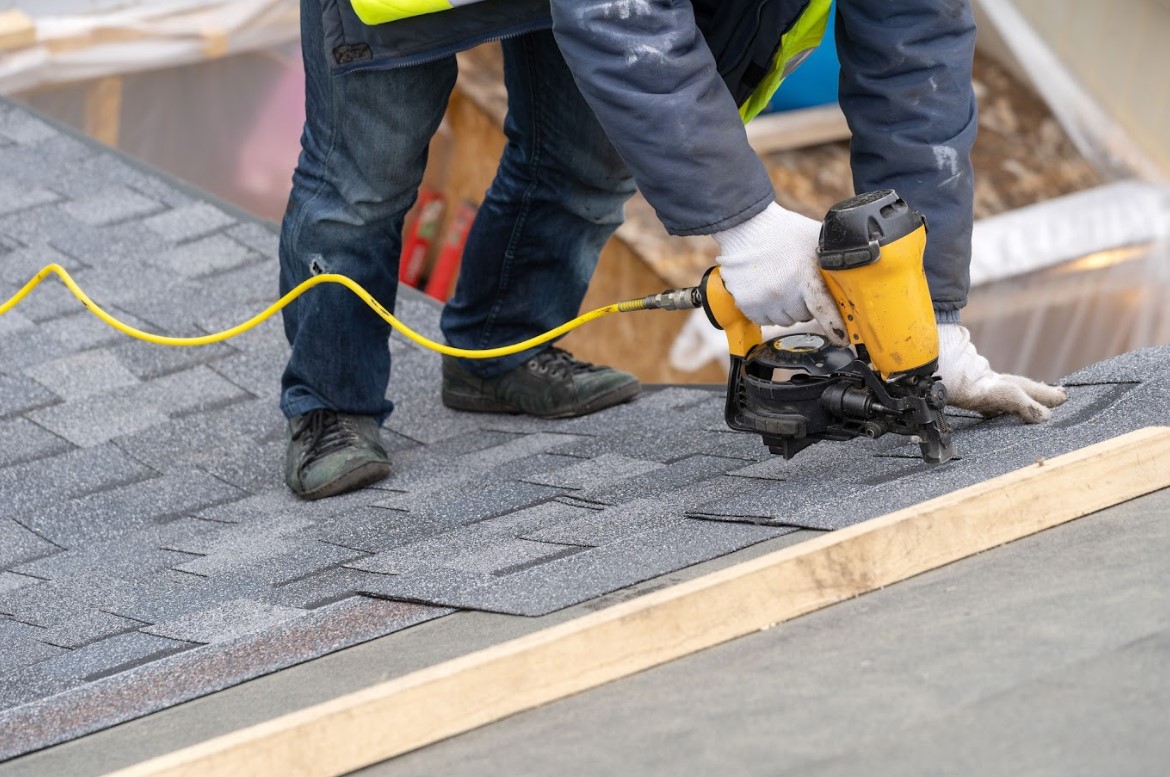
Yes, you can schedule a winter roof replacement in Oklahoma City, and most years the metro gives crews plenty of workable days to do it right. The real questions are how cold is too cold for asphalt shingles, what a crew does differently when temperatures drop, and how to keep your manufacturer warranty intact. Central Oklahoma winters are mild enough that a well-planned project rarely has to wait until spring.
This guide covers what actually changes when you replace a roof between November and February in the OKC metro: how temperature affects shingle sealing, what cold weather roof installation looks like on a properly run job, when it makes sense to wait, and how to plan around Oklahoma’s quick-changing forecasts. If your roof took a beating this year, our roofing services across the Oklahoma City metro continue straight through the colder months.
Key Takeaways
- Oklahoma City averages daytime highs of about 49 to 54 degrees from December through February, which puts many winter days at or above the 40-degree mark shingle manufacturers prefer for installation.
- Asphalt shingles seal with heat-activated adhesive strips, so on cold days crews hand seal shingles with roofing cement to lock them down until warmer weather finishes the bond.
- Following the manufacturer’s cold-weather instructions keeps your shingle warranty valid, so ask any contractor exactly how they handle sub-40-degree days.
- Since mid-2025, Oklahoma City requires a reroofing permit for most single-family homes year-round, so a winter project follows the same permit and final inspection steps as a summer one.
Can You Really Replace a Roof in Winter in Oklahoma City?
You can, and the local climate is a big reason why. According to NOAA’s 1991 to 2020 climate normals for Oklahoma City (summarized by Current Results), the average high is about 61 degrees in November, 50 in December, 49 in January, and 54 in February. Overnight lows sit near freezing, but roofing happens in daylight, when it is usually warm enough to work.
Compare that to roofing in Minneapolis or Chicago, where weeks pass below freezing. In central Oklahoma, a cold snap usually lasts a few days before a south wind brings the 50s and 60s back. That pattern gives a roofing crew regular windows to tear off, dry-in, and install a full roof in one or two days.
How Does Cold Weather Affect Asphalt Shingles?
Cold changes two things about an asphalt shingle: how flexible it is and how quickly it seals. Both matter, and both have well-established fixes.
Shingles get stiffer in the cold
Asphalt stiffens as the temperature drops. A shingle that bends easily on a mild afternoon can crack if it is bent sharply or handled roughly on a 30-degree morning. Experienced crews handle this by storing bundles somewhere warmer before installation, laying them flat, and saving the cuts and bends at hips, ridges, and valleys for the warmest part of the day.
The sealant strip needs heat
Every modern asphalt shingle has a strip of factory-applied adhesive that bonds it to the shingle below. That strip is activated by sunlight and warmth. In cold weather the bond can take days or even weeks to form, and until it does, a strong wind can lift the shingle edge. That is the main risk of a winter install, and it is the reason hand sealing exists.
What Is Hand Sealing Shingles, and When Is It Needed?
Hand sealing shingles means applying small dabs of asphalt roofing cement under each shingle tab so it is held down right away instead of waiting on the sun. Shingle manufacturers publish specific instructions for this. GAF’s technical bulletin on hand-sealing shingles, for example, lists cold-weather fall and winter installations as one of the situations where it applies, along with very steep slopes and high-wind areas.
Hand sealing adds labor time, and that is exactly why it gets skipped on rushed jobs. When it is done correctly, the shingles stay put through a January wind event, and the factory strips finish bonding on their own once the first warm stretch of spring arrives.
Oklahoma’s wind makes this step especially important. Winter cold fronts often arrive with strong north gusts, and an unsealed shingle edge is the first thing those gusts find. Ask your contractor directly whether they hand seal on cold-weather installs and how many dabs per shingle they use.
What Temperature Is Too Cold to Install a Roof?
Most shingle manufacturers recommend installing at 40 degrees or warmer for the easiest handling and sealing. Below that, installation is still allowed as long as the crew follows the manufacturer’s cold-weather precautions, such as hand sealing, warmer storage, and careful handling.
In practice, a reputable crew in the Oklahoma City metro looks at several conditions together rather than one number:
- Daytime high: A forecast in the mid-40s or warmer is comfortable for tear-off and installation.
- Deck moisture: The roof deck must be dry. Frost, sleet, or melting ice on the decking means waiting until it dries out.
- Wind: High gusts make it unsafe to carry and position shingles on the roof, no matter the temperature.
- Precipitation: Freezing rain or snow in the forecast within the install window means rescheduling, since a home cannot be left open to the weather.
Ice storms are the real wildcard in central Oklahoma. A day of freezing rain can coat the deck and every surface around the house, and no responsible contractor will tear off a roof with one in the forecast.
Does a Winter Install Affect Your Roof Warranty?
A winter install does not void your warranty when the shingles go on according to the manufacturer’s written instructions, including their cold-weather provisions. The warranty risk comes from skipping those steps, for example installing brittle shingles on a frozen morning without hand sealing.
Honor Roofing & Construction is a CertainTeed Select ShingleMaster, an IKO ShieldPRO Plus+ Contractor, and a TAMKO Pro Certified Contractor. Each of those manufacturers publishes its own installation requirements, and certified installers are expected to follow them in every season. If you are comparing bids, ask each contractor to explain how they meet the specific shingle brand’s cold-weather instructions and what workmanship warranty they back the job with.
When Should You Repair Now and Replace in Spring?
Not every roof problem needs a full replacement in December. If your roof has a few missing shingles, a single leaking vent boot, or minor flashing trouble, a targeted residential roof repair can get you through winter safely and leave the bigger decision for spring.
Replacement in winter makes more sense when:
- The roof leaks in more than one place, or leaks keep coming back after repairs.
- Hail or wind damage from this year’s storm season is widespread across the roof.
- An insurance claim has been approved and you would rather finish the project now than wait in the spring line.
- The roof is near the end of its life and you are planning to sell or refinance in the first half of the year.
Some homeowners ask about the best time to replace a roof in Oklahoma, and the honest answer is that spring and fall offer the most comfortable conditions, but the right time is when your roof needs it. Leaving active leaks through a season of freeze and thaw cycles lets water work into the decking, insulation, and drywall, which turns a roof project into a bigger interior repair.
How Should You Plan a Winter Roof Replacement in the OKC Metro?
A little planning makes a winter project feel just as smooth as a spring one. Here is a simple checklist for homeowners:
- Get an inspection first. A thorough inspection tells you whether repair or replacement makes sense and documents any storm damage for your insurance company.
- Pick your materials early. Choose your shingle line and color before the install window so materials can be ordered and staged ahead of a good forecast.
- Plan around the forecast. Expect your start date to be tied to a dry, mild stretch. A flexible date of a few days is normal in winter and protects the quality of the work.
- Confirm the permit. Inside Oklahoma City limits, a reroofing permit is required for most single-family homes and duplexes. The City charges $94.50, permits are usually issued the same day, and a final inspection follows the work, according to the City of Oklahoma City. Rules differ in surrounding towns, so confirm with your roofer.
- Prepare the house. Move vehicles out of the driveway, clear patio furniture, and take down any holiday lights or decorations clipped to shingles or gutters before the crew arrives.
- Sort out payment. If your deductible or a full replacement is a stretch right before the holidays, review the roof financing options available before you sign.
The same approach works across the metro. Homeowners in the northwest suburbs, where a roof replacement in Yukon, OK or Piedmont, OK often faces open-country north winds, benefit most from a crew that takes hand sealing seriously.
What Should You Expect on Installation Day in Cold Weather?
A winter roof replacement follows the same basic sequence as any other season, with a few adjustments. Crews usually start a little later in the morning to let frost burn off the roof surface. Tear-off happens in sections so the house is never left exposed for long, and the decking is checked for soft or rotted boards, which are more common on roofs that leaked through past winters.
Underlayment and ice and water shield go down at the eaves and valleys before the shingles. Shingles are installed during the warmest hours, hand sealed where conditions call for it, and the ridge and hip caps are handled with extra care since those pieces bend the most. Cleanup includes a magnetic sweep for nails, which matters more in winter when dead grass and leaves hide them.
Most single-family homes in the metro, from roofers serving Mustang, OK on the west side to roofing in Del City, OK on the east, are finished in one to two working days once the weather window opens.
Frequently Asked Questions About Winter Roof Replacement in Oklahoma City
Can you put a new roof on in winter in Oklahoma?
Yes. Oklahoma City’s winter highs average around 49 to 54 degrees, so most weeks include several dry, mild days that work well for installation. Crews schedule around frost, ice, and wind, and use hand sealing on colder days so the shingles stay secure until the adhesive strips fully bond.
What is the lowest temperature for installing asphalt shingles?
Manufacturers generally recommend 40 degrees or warmer for the easiest installation. Shingles can go on below that when the crew follows the manufacturer’s cold-weather precautions, such as storing bundles somewhere warmer, handling them carefully, and hand sealing each shingle. A wet or icy deck is a firm stop regardless of temperature.
Will my new shingles seal if they are installed in December?
The factory adhesive strips may not fully activate until warmer, sunny weather arrives, which can take weeks in December. That is why cold-weather installs rely on hand sealing with roofing cement. Once spring warmth hits the roof, the factory strips finish bonding on their own for a full seal.
Is a roof replacement cheaper in the winter?
Material prices do not usually drop in winter, but scheduling is often easier. Contractors are less backed up than during spring hail season, so you may get an inspection and a start date faster. The real savings come from fixing a failing roof before winter leaks damage decking, insulation, and ceilings inside the home.
Schedule Your Free Winter Roof Inspection
If you are weighing a winter roof replacement in Oklahoma City, request a free roof inspection from Honor Roofing & Construction and get an honest answer on whether to repair now or replace this season.