

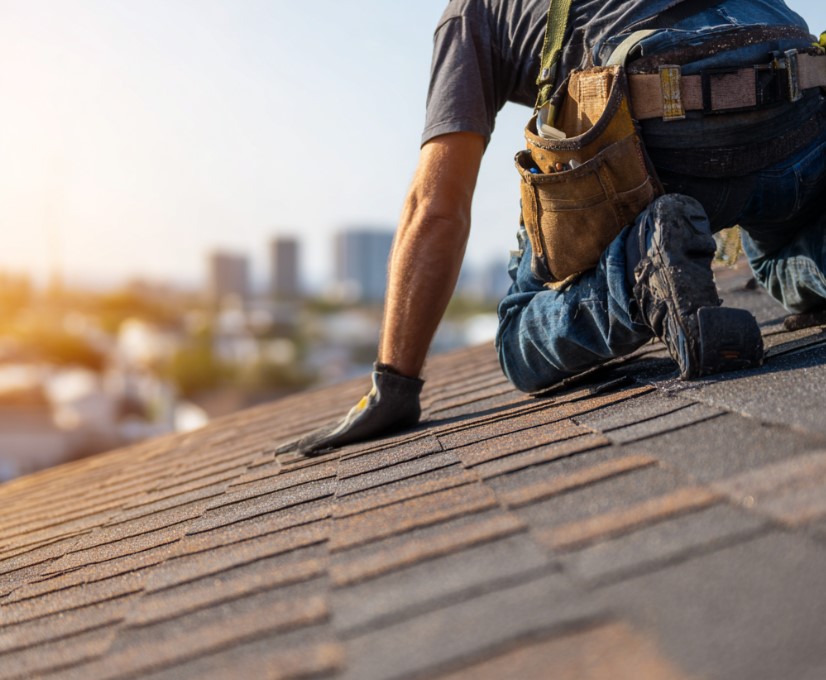
Here in Edmond and across Central Oklahoma, tornado season means more than just radar alerts—it means serious stress on your roof. One moment it’s a normal afternoon, the next you’re watching a line of storms build, hearing emergency sirens, and wondering if your home is protected. That’s why implementing tornado‑proof roofing features and beginning your roof prep for tornado season now establishes real peace of mind. At Honor Roofing & Construction, we’ve walked through homes that were ready and homes that weren’t—and the difference is obvious.
Here’s what you’ll get from this guide:
- A clear explanation of what “storm‑ready” roofing means for Edmond homes
- How to inspect and reinforce weak points on your roof before tornadoes arrive
- The best timeline and materials for getting your roof ready for high‑wind weather
- What local owners should budget and plan for when preparing their roofs
- Expert responses to homeowners’ common questions about roof resilience
If you’re ready to make sure your roof is up to the task, Honor Roofing & Construction can help.
Why Roof Prep Matters in Tornado Season in Oklahoma
Tornado warnings are dramatic—but the damage often starts well before a tornado touches down. Your roof takes the first punches from wind, rain, and airborne debris. A roof that’s already compromised is far more likely to fail when the storm hits.
What “Tornado‑Proof Roofing” Really Means
“Tornado‑proof” doesn’t mean invincible—but it does mean a roof system built to withstand extreme pressures. That means reinforced decking, high‑wind rated shingles, upgraded flashing, and properly fastened underlayment. It means attention to details that few homeowners think about until after the damage appears.
Why It Matters More in Edmond
Edmond sits right in the zone where tornadoes, straight‑line winds, and severe hail storms converge. Local building codes and insurance policies reflect that reality—often requiring stronger roofing standards or documented inspections. When you’re preparing your roof for tornado season in Oklahoma, you’re not just doing maintenance—you’re taking steps that align with what the region demands.
What to Know Before You Begin Your Roof Preparation
Before you grab a checklist or hire a crew, there are some foundation steps every homeowner should understand.
Set a Practical Budget
Preparing for tornado season doesn’t always mean a full roof replacement. It might mean targeted upgrades—fastener reinforcement, flashing replacement, or attic ventilation checks. But setting aside budget now saves you from crisis‑mode spending later.
Know Your Roof’s Current Condition
Age matters. If your roof was installed 15+ years ago, if the fasteners are older nails instead of screws, or if the flashing is showing wear, your prep strategy will differ significantly. Identifying these weak points early is smart roof prep.
Permits and Local Regulations in Edmond
Some structural changes and replacements in roofing require permits or code compliance in Edmond. Working with a licensed contractor like our team ensures your roof prep meets local standards, avoids surprises, and aligns with your insurer’s expectations.
No upgrade strategy should begin without an inspection. A trained professional can identify areas vulnerable to high‑wind events, document current conditions, and map what needs reinforcement before tornado season rolls in.
If you’re also thinking about the rest of your exterior—siding, gutters, windows—take a moment to review our post on Year‑Round Exterior Maintenance for Central Oklahoma Homes. It pairs well with tornado prep and helps protect the entire envelope, not just the roof.
How to Prepare Your Roof for Tornado Season: Step‑by‑Step Guide
Here’s your clear plan—one that takes you through the practical steps and helps you build a tornado‑ready roof in Edmond.
Step 1: Schedule an Early‑Season Roof Inspection
Book your inspection late winter or early spring—before tornado alerts become frequent. Have a technician check for: loose or missing shingles, lifted flashing, weakened deck boards, attic ventilation problems, or clogged vents.
Step 2: Reinforce Decking and Fasteners
Wind uplift often starts at the roof deck connection. Replace old nails with ring‑shank nails or screws, especially in ridges and hips. Tightening the deck‑to‑frame connection dramatically improves performance.
Step 3: Upgrade Flashing, Ridge Vents, and Roof Penetrations
Flashing and ridgeline areas are common failure points in high‑wind events. Replace weathered flashing, ensure ridge vents are secured, and seal pipe boots properly. These steps elevate your roof’s storm resilience.
Step 4: Clear Trees and Roof Obstructions
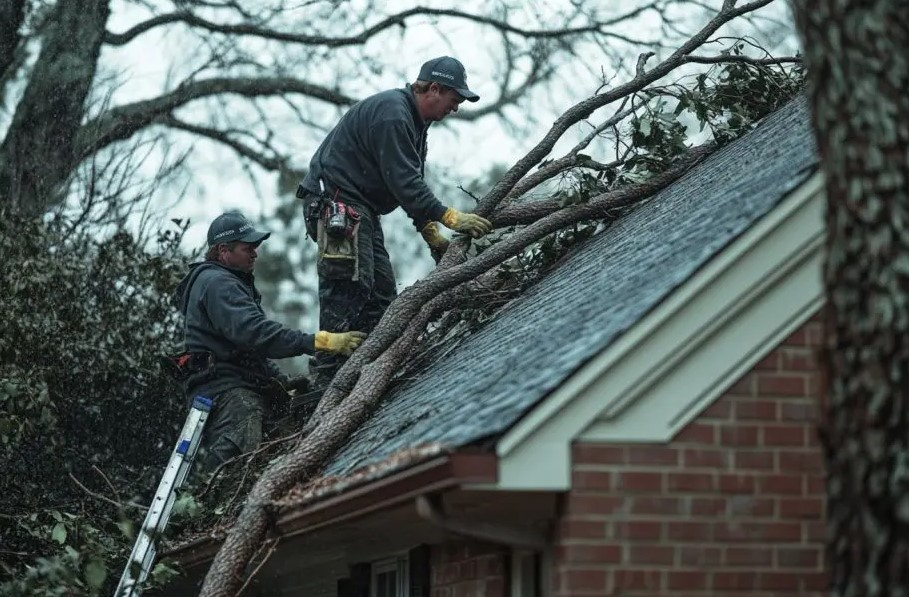
Flying debris from trees is one of the most common causes of storm damage. Trim limbs that overhang the roof, remove dead branches, and make sure your rooftop is clear of items that could become hazards.
Step 5: Secure Gutters and Improve Drainage
While not part of the roof deck itself, gutters affect how your roof sheds water and resists uplift. Ensure downspouts discharge properly and gutters are fastened securely to the fascia. A compromised gutter can initiate roof edge failures.
Step 6: Establish Your Post‑Storm Inspection Routine
Even if a tornado doesn’t hit your home directly, piloting storms can still damage your roof. After a high‑wind event, inspect shingles, flashings, and ridge caps. If anything seems off, schedule a follow‑up inspection.
Want guidance on documenting damage and filing claims after a storm? Check out our blog on Storm Damage & Insurance Claims in Tornado Alley.
Deep Dive: High‑Performance Roofing Systems Built for Tornado Conditions
If you want your roof to do more than survive—if you want it to outperform when others struggle—let’s look at what materials really hold up.
Best Roofing Materials for Tornado‑Prone Areas
| Material | Advantages | What to Consider |
| Architectural Asphalt Shingles | Cost‑effective, available in high wind ratings | Still less impact‑resistant compared to metal |
| Impact‑Rated (Class 4) Shingles | Designed for hail and uplift resistance | Higher initial cost; limited color/style options |
| Metal Roofing (Standing Seam) | Superior wind and debris resistance, long lifespan | Correct installation is key to performance |
Warranties, Insurance & Long‑Term Value
Manufacturers require documented installations and may ask for proof of periodic inspections. Some insurance providers offer discounts for roofs that meet high‑wind or impact‑rated standards—and prepping your roof for tornado season in Oklahoma puts you ahead of both warranty and insurance expectations.
How Our Team at Honor Roofing & Construction Helps
- Certified installer for major brands like CertainTeed, IKO, and TAMKO
- Expertise in fastener upgrades, deck reinforcement, and high‑wind systems
- Local experience handling Edmond permits, insurance documentation, and storm‑specific repairs
- Clear, no‑pressure consultation with recommendations tailored to your roof’s condition
Common Roof Prep Questions from Edmond Homeowners
We often get questions from local homeowners in Edmond about how to prepare their roofs for tornado season. Below are some of the most frequent concerns—and our straightforward answers based on real experience here in Oklahoma.
Can upgrading my roof really improve tornado resistance?
Yes, upgrading your roof can significantly improve tornado resistance. Reinforced decking, high-wind-rated shingles, and better flashing installation all help your roof stand up to wind and flying debris during a storm.
When should I schedule roof prep for tornado readiness?
You should schedule roof prep in late winter or early spring—before tornado season peaks. This gives you time to inspect, repair, and upgrade your roofing system while weather conditions are still manageable.
Do I need a full roof replacement to prepare for tornadoes?
No, you don’t always need a full replacement to prepare for tornadoes. Many homes benefit from targeted upgrades like replacing flashing, adding roof deck fasteners, or installing impact-resistant shingles.
How can I tell if my roof is at risk for high-wind damage?
You can tell your roof is at risk if it has lifted shingles, exposed nails, cracked flashing, or if it’s more than 12–15 years old. A professional inspection will uncover hidden vulnerabilities before a storm reveals them the hard way.
Will storm-ready roofing reduce my insurance premium?
Yes, storm-ready roofing can reduce your insurance premium in some cases. Insurers often offer discounts for impact-rated shingles or roofs with documented inspections and upgrades.
What should I look for after a tornado or windstorm?
After a tornado or windstorm, look for missing shingles, lifted flashing, bent vents, or signs of water infiltration. Even if damage seems minor, it’s smart to have a professional check for issues beneath the surface.
Final Thoughts: Let’s Get Your Roof Ready for What’s Ahead
Tornado season in Oklahoma isn’t just a scheduled event on the weather calendar—it’s a serious test for your roof. With smart preparation and professional guidance, your home can be protected, strengthened, and ready for whatever comes next.
At Honor Roofing & Construction, we bring the experience, certifications, and local knowledge you need to prepare your roof properly for tornado season. No fluff—just expert roofing work you can trust.
Schedule your free inspection today, and let us help your roof stand strong through this storm season.