

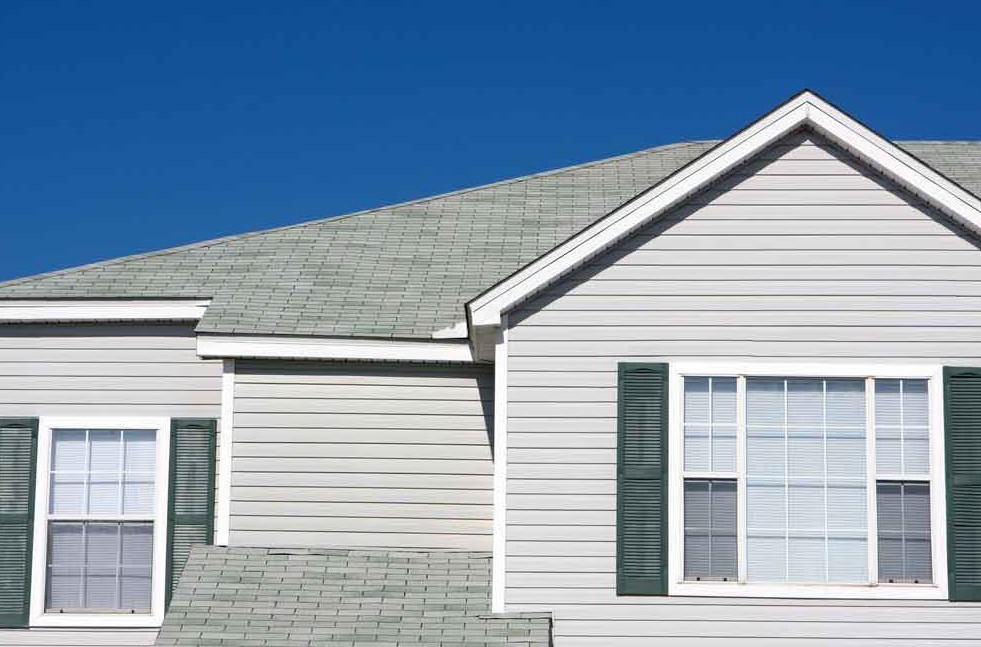
On a hot Oklahoma City afternoon, the downstairs may feel comfortable while the upstairs stays warm long after sunset. The air conditioner keeps running, the bedrooms feel stuffy, and the attic feels much hotter than the outdoor air. When that happens, it is easy to blame the roof first.
Attic heat may be part of the problem, but it is not always the only cause. Insulation, air leaks, ductwork, HVAC performance, solar exposure, roof color, and roof orientation can all affect indoor comfort. Still, attic ventilation matters because poor airflow may allow excess heat and moisture to build beneath the roof deck.
Over time, that buildup can add stress to shingles, decking, fasteners, and other roof system components. For homeowners considering attic ventilation in Oklahoma City, the goal is not to add vents blindly. The goal is to understand whether the roof has balanced intake and exhaust airflow.
In this guide, you will learn:
- Why do Oklahoma attics become so hot
- How excess attic heat may affect shingles and decking
- Why upstairs rooms may stay warmer
- How balanced ventilation works
- Which warning signs may indicate poor airflow
- Why adding a fan is not always the answer
- When to schedule a roof-ventilation inspection
Schedule your free roof inspection today. Call (405) 248-7153 or email [email protected].
Can Poor Attic Ventilation Shorten Shingle Lifespan?
Poor ventilation may allow heat and moisture to build beneath the roof. Over time, this can contribute to shingle aging, roof deck deterioration, and reduced roof system performance.
Proper ventilation depends on balanced intake and exhaust. It should also be evaluated alongside insulation, air sealing, and other home-performance factors.
How Hot Can an Oklahoma Attic Get?
An attic can become substantially hotter than the outdoor air during direct Oklahoma summer sun, especially when airflow is limited. But there is no single attic temperature that applies to every home.
Attic temperature depends on:
- outdoor temperature
- direct sun
- roof color
- roof material
- roof orientation
- ventilation
- insulation
- air leakage
- time of day
- wind and cloud cover
- whether HVAC equipment or ducts are in the attic
It also helps to separate the different surfaces and air spaces involved. Outdoor air temperature, roof-surface temperature, shingle temperature, roof-deck temperature, and attic-air temperature are not the same thing.
That is why a professional attic-ventilation inspection should assess the entire roof system, not just how hot the attic feels at any given moment.
How Poor Ventilation Affects Shingles and Roof Decking
Shingles take heat from above when the sun hits the roof. If attic air is trapped beneath the roof deck, heat can also build from below. That combination may place additional stress on the roofing system during Oklahoma’s long summers.
Poor attic ventilation may contribute to:
- faster shingle aging
- curling or brittle shingles
- reduced roof-system performance
- moisture staining on decking
- corrosion on visible fasteners
- ventilation-related warranty concerns
- uneven roof aging
Ventilation helps manage heat and moisture. It does not prevent hail, wind, storm damage, or normal aging.
Shingle lifespan also depends on product quality, installation, storm exposure, roof pitch, maintenance, decking condition, insulation, and ventilation. If shingles are wearing early, the cause may not be ventilation alone. It may be a combination of roof age, material condition, attic airflow, and Oklahoma weather exposure.
Why Is the Upstairs So Hot in an Oklahoma City Home?
A hot upstairs is one of the most common homeowner complaints during summer. If you have asked, “Why is my upstairs so hot in my OKC home?” the answer may involve more than one system.
Possible causes include:
- heat transfer from the attic
- inadequate insulation
- ceiling air leaks
- leaky or poorly insulated ducts
- HVAC equipment in the attic
- weak return airflow
- closed registers
- west-facing windows
- solar gain
- thermostat placement
- blocked soffit vents
- insufficient roof exhaust
Attic heat can make upstairs rooms harder to keep comfortable, but roof ventilation is only one piece of the picture. Insulation, ductwork, air sealing, and HVAC performance may also contribute.
Honor Roofing & Construction can evaluate roofing-related conditions, including roof vents, soffits, fascia, decking, and visible roof-system concerns. If the issue appears connected to HVAC, insulation, or electrical components, another specialist may also be needed.
How Balanced Attic Ventilation Works
A vented attic needs a path for cooler outside air to enter and warm air to leave. That is the basic idea behind balanced attic ventilation.
Intake Ventilation
Intake ventilation is usually located near the lower roof edge, often through soffit or eave vents. Its job is to let outside air enter the attic.
When intake vents are blocked by insulation, paint, debris, or missing baffles, airflow can be restricted. That makes it harder for the attic to move heat and moisture out.
Exhaust Ventilation
Exhaust ventilation is usually located near the upper roof, often through ridge or roof vents. Its job is to let warm air and moisture leave the attic.
Exhaust without enough intake may not improve airflow. In some cases, it can make the system less effective because the attic lacks a clean source of replacement air.
Why Balance Matters
More vents are not automatically better. A functioning attic ventilation system needs both intake and exhaust working together.
That is why Oklahoma City roof ventilation should be evaluated as a system. The question is not just whether vents exist. The question is whether air can move properly from the lower intake points to the upper exhaust points.
Signs Your Attic Ventilation May Be Failing
Poor ventilation is not always obvious from inside the living space. Some warning signs show up in the attic, while others appear on the roof or in upstairs rooms.
Possible signs include:
- upstairs rooms remain unusually hot
- the attic stays very hot late in the day
- soffit vents are blocked or painted over
- insulation covers intake openings
- roof vents are cracked, loose, or damaged
- shingles show premature curling or wear
- roof decking has moisture stains
- visible fasteners show corrosion
- the attic has musty odors
- condensation appears on nails or decking
- bathroom exhaust vents into the attic
- one roof section ages faster than another
These signs do not prove that ventilation is the only cause. They should be evaluated alongside insulation, air sealing, HVAC performance, roof age, and storm history.
Safety note: Do not enter an extremely hot attic or walk on attic framing without proper training and equipment. Honor Roofing & Construction can inspect roof-related ventilation concerns during a scheduled visit.
Common Attic-Ventilation Problems in Oklahoma City Homes
Many attic airflow problems stem from blocked intake, damaged exhaust, or a system that was never balanced correctly.
Blocked Soffit Vents
Soffit vents bring outside air into the attic. They can be blocked by insulation, paint, debris, or missing baffles. When intake is restricted, exhaust vents pull less air through the attic.
Too Much Exhaust and Too Little Intake
Adding roof vents without enough lower intake does not always improve performance. The attic needs a complete airflow path, not just more exhaust openings.
Mixed Vent Systems
Ridge vents, powered fans, gable vents, and roof vents may interfere with one another when they are not properly coordinated. A mixed system can sometimes pull air from the wrong place instead of moving it evenly through the attic.
Damaged Roof Vents or Flashing
Hail, wind, age, or poor installation can damage vents or flashing. That may affect ventilation and also create leak concerns around roof penetrations.
Interior Exhaust Venting Into the Attic
Bathroom or kitchen exhaust should not dump moisture into the attic. When humid air terminates in the attic space, it can contribute to moisture staining, odors, or decking concerns.
Air Leaks From the Living Space
Conditioned air may enter the attic through light fixtures, attic hatches, wiring openings, or plumbing penetrations. Honor Roofing & Construction can identify visible roofing-related concerns, but air sealing or insulation work may require another specialist.
Why a Powered Attic Fan Is Not Always the Best Fix
A powered attic fan may sound like a simple answer, but more exhaust is not always the solution. A fan still needs adequate intake air to work properly.
If soffit vents are blocked or the attic has poor air sealing, a powered fan may pull conditioned air from the home rather than draw outdoor air through the intended intake path. That can create new comfort concerns instead of solving the original problem.
Powered equipment also adds maintenance and electrical considerations. In some homes, the existing passive ventilation system may need to be corrected before any fan is considered.
The better first step is to evaluate intake, exhaust, air sealing, and insulation before adding powered equipment.
When Roof Ventilation May Need Repair
Roof ventilation may need repair when a roofing component is damaged, blocked, poorly installed, or no longer allows air to move freely.
Repair may be appropriate when:
- a roof vent is cracked or damaged
- flashing around a vent is failing
- hail or wind has affected a vent
- soffit openings are blocked
- fascia or soffit damage restricts airflow
- a ridge vent was installed incorrectly
- intake and exhaust are unbalanced
- moisture or heat symptoms point to a roofing issue
- roof replacement creates an opportunity to correct the system
Depending on the inspection findings, the next step may involve roof vent repair, vent replacement, flashing repair, soffit and fascia work, decking repair, or ventilation changes during roof replacement.
Honor Roofing & Construction can evaluate roof-ventilation concerns in Oklahoma City, Edmond, and nearby Oklahoma City Metro communities.
What a Roof-Ventilation Inspection Should Evaluate
An inspection should identify the source of the problem before more vents or powered equipment are added.
A roof-ventilation inspection may evaluate:
- roof-covering condition
- intake vent locations
- exhaust vent locations
- visible vent damage
- flashing and seals
- soffit openings
- fascia condition
- blocked airflow paths
- roof-deck condition
- moisture signs
- existing vent types
- ventilation balance
- possible interference between systems
- whether another specialist is needed
The goal is to understand what is happening before making a recommendation. A hot upstairs may involve roof ventilation, insulation, ductwork, air leaks, HVAC performance, or several factors at once.
Need someone to take a look? Honor Roofing & Construction can help with a free roof inspection.
Why Oklahoma City Homeowners Choose Honor Roofing & Construction
Honor Roofing & Construction helps Oklahoma City homeowners understand roof problems without unnecessary pressure. If attic ventilation may be affecting roof performance, the team can inspect roof vents, flashing, soffits, fascia, decking, and related roofing conditions.
Services may include vent repairs, flashing repairs, soffit and fascia work, decking repairs, asphalt shingle roofing, roof repair, and roof replacement.
Honor Roofing & Construction is BBB Accredited, NRCA affiliated, and certified as a CertainTeed Select ShingleMaster™, IKO ShieldPRO Plus+™ Contractor, and TAMKO Pro Certified Contractor. The team focuses on clear findings, dependable communication, quality workmanship, and financing options when broader roof work is needed.