

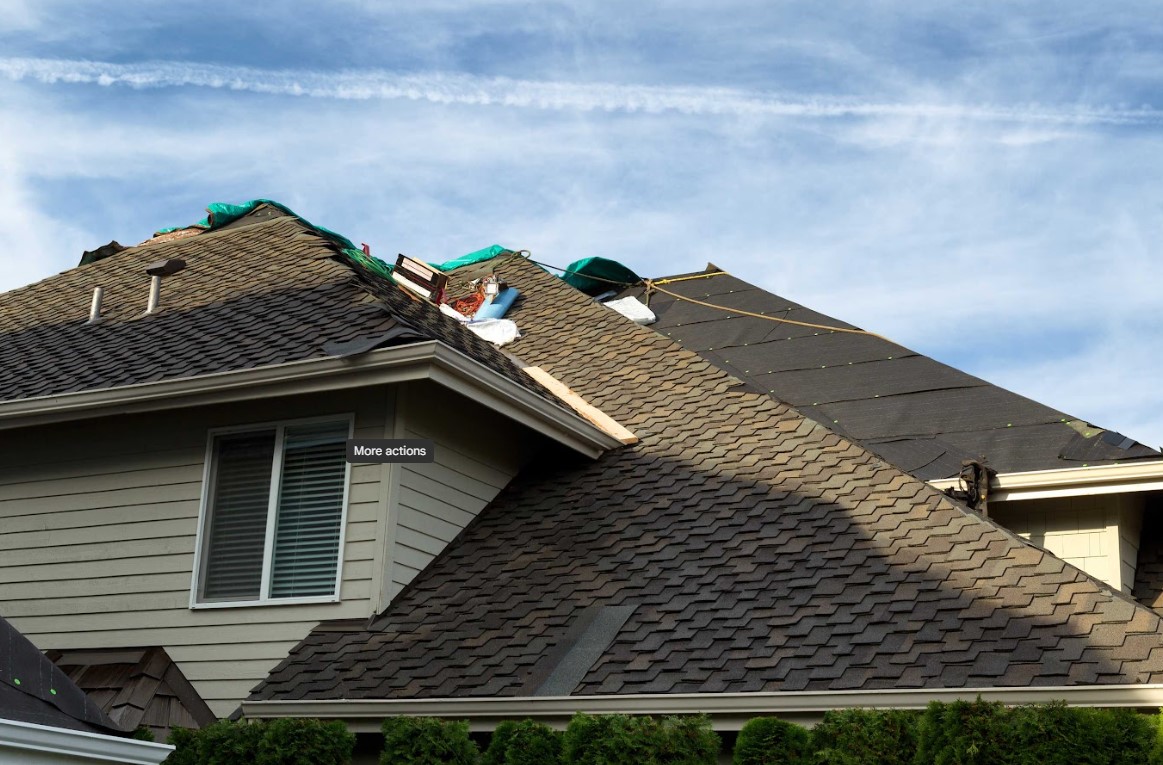
If you’ve lived in Oklahoma for long, you know storms rarely follow a predictable schedule. One afternoon the sky is clear, and by evening hail is striking the roof while strong winds push across the neighborhood. After storms like that, many homeowners start asking the same question: How often should you schedule roof inspections in Oklahoma?
Understanding the right inspection schedule is one of the simplest ways to protect your home. A professional roof inspection can uncover loose shingles, flashing damage, or drainage problems that may not be visible from the ground. Catching these issues early often prevents larger repairs later.
In this guide, we’ll explain how often roof inspections should be scheduled in Oklahoma, why local weather makes inspection timing important, and how regular inspections help extend the life of your roofing system.
Here’s what this blog will cover:
- The recommended roof inspection frequency for Oklahoma homes
- Why weather conditions in the region make inspections necessary
- Signs that you should schedule a roof inspection sooner
- What happens during a professional roof inspection
- How routine inspections help protect your roof over time
If you want help evaluating your roof’s condition, Honor Roofing & Construction can help. Visit our homepage to schedule a roof inspection.
Why Roof Inspection Frequency Matters in Oklahoma
To understand how often you should schedule roof inspections in Oklahoma, it helps to look at how local weather affects roofing systems.
Homes across the region regularly experience:
- hailstorms
- strong wind events
- sudden temperature swings
- intense summer UV exposure
Each of these factors gradually weakens roofing materials. Even when damage isn’t obvious, hail impacts or wind uplift can loosen shingles and flashing.
According to the National Weather Service, Oklahoma consistently ranks among the states with the highest number of severe weather events each year. Because of this exposure, roofs in Oklahoma often require more frequent inspections than roofs in milder climates.
Understanding this environment helps explain why a consistent inspection schedule is essential for homeowners in this region.
What Is a Roof Inspection?
Before deciding how often to schedule inspections, it helps to understand what a roof inspection actually involves.
A roof inspection is a professional evaluation designed to determine the current condition of your roofing system and identify problems that may shorten its lifespan.
During an inspection, contractors typically examine:
- shingles and roofing materials
- flashing around vents and chimneys
- gutter drainage systems
- attic ventilation
- signs of interior moisture
These components all work together as part of a complete roofing system. If you want a deeper explanation of how these parts function together, our guide Roofing 101: What Every OKC Homeowner Needs to Know provides a clear overview of roofing basics.
Understanding these components also helps homeowners see why regular inspections are necessary to maintain the entire roofing system.
What Homeowners Should Consider Before Scheduling Roof Inspections
Before determining the ideal inspection schedule, homeowners should consider a few factors that influence how often roof inspections should occur.
Roof Age
The age of your roof plays a major role in inspection frequency.
In Oklahoma, many roofs last 12–20 years depending on materials and storm exposure. As roofing systems age, inspections become increasingly important because materials gradually weaken.
Older roofs often benefit from more frequent inspections to catch potential issues early.
Roofing Materials
Different roofing materials respond differently to weather and require varying levels of maintenance.
Common roofing materials in Oklahoma include:
- architectural asphalt shingles
- impact-resistant shingles
- metal roofing systems
Knowing which material is installed on your home helps determine how often inspections should be scheduled.
Insurance Requirements
Another factor affecting inspection frequency is insurance coverage.
Homeowners insurance policies often limit how long homeowners have to report storm damage. Scheduling inspections regularly helps ensure storm-related issues are identified and documented quickly.
Recommended Roof Inspection Frequency for Oklahoma Homes
Now that we’ve covered the factors that affect roof condition, we can answer the main question directly: how often should roof inspections be scheduled in Oklahoma?
Because of the region’s weather patterns, most homeowners benefit from a combination of annual inspections and storm-related inspections.
Schedule an Annual Roof Inspection
Most roofing professionals recommend scheduling one roof inspection every year.
Annual inspections allow contractors to identify:
- aging shingles
- flashing deterioration
- ventilation issues
- early signs of water intrusion
Addressing these issues during routine inspections helps prevent larger repairs later.
Schedule Inspections After Major Storms
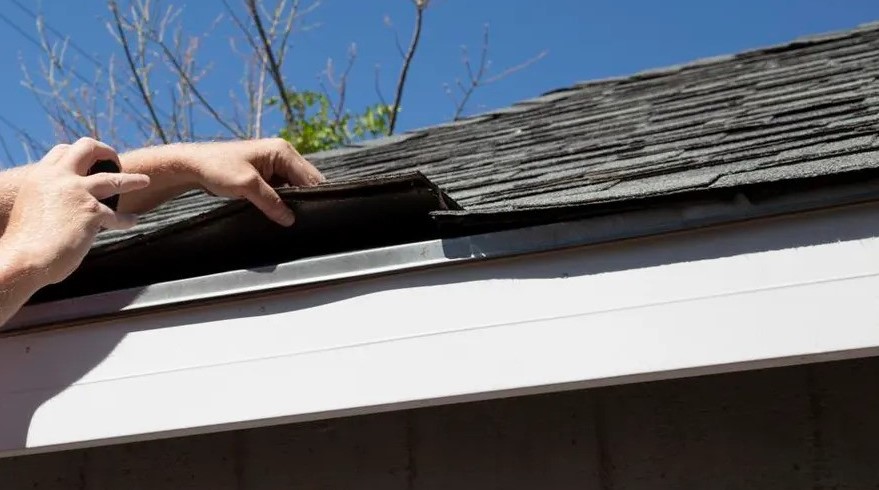
In Oklahoma, severe weather events can damage roofing systems unexpectedly. That’s why inspections should also occur after major storms.
Homeowners should consider scheduling an inspection if their area experiences:
- hail larger than one inch
- wind gusts exceeding 60 mph
- nearby tornado activity
Even if the roof appears fine from the ground, storm damage may still be present.
Our guide Storm Damage & Insurance Claims in Tornado Alley explains how roof inspections help document damage for insurance purposes.
Consider Seasonal Inspections
Some homeowners choose to schedule two inspections each year — one in spring and one in fall.
Spring inspections identify damage after winter weather, while fall inspections help prepare the roof for colder temperatures.
This approach aligns with the maintenance strategy outlined in Year-Round Exterior Maintenance for Central Oklahoma Homes, where seasonal inspections help homeowners catch problems before they become major repairs.
Signs You Should Schedule a Roof Inspection Sooner
Even if your regular inspection isn’t due yet, certain warning signs mean a roof inspection should be scheduled immediately.
These include:
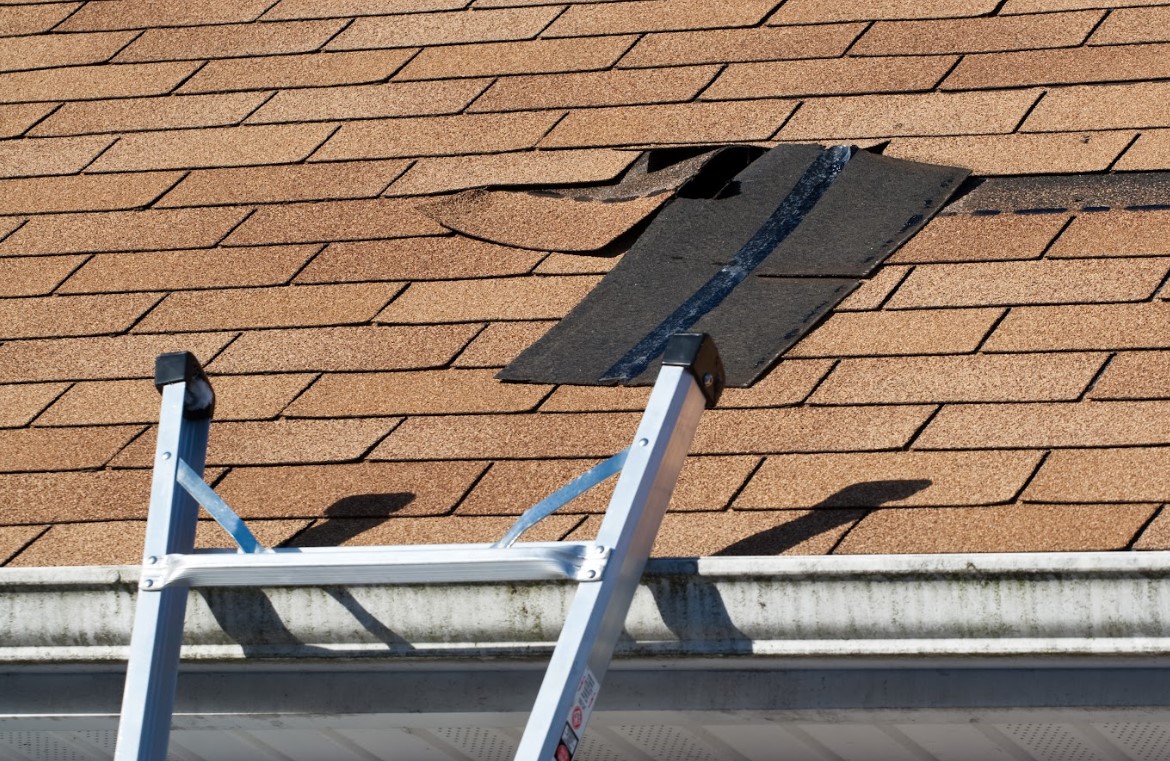
- missing or lifted shingles
- dented roof vents after hail
- water stains on ceilings
- debris buildup in gutters after storms
- sudden increases in energy bills caused by ventilation problems
When these signs appear, scheduling an inspection quickly can help prevent more serious roofing damage.
What Happens During a Professional Roof Inspection
Understanding the inspection process helps explain why these evaluations are important to schedule regularly.
A professional roof inspection typically includes several steps.
Exterior Inspection
Contractors evaluate:
- shingle condition
- ridge caps
- flashing around roof penetrations
- gutter systems
- signs of wind or hail damage
Structural Inspection
Inspectors also look for structural concerns such as:
- sagging rooflines
- soft roof decking
- damaged fascia boards
Interior Inspection
Inside the attic, contractors evaluate:
- insulation condition
- ventilation pathways
- signs of moisture intrusion
This thorough process helps identify problems that homeowners may not notice during a visual inspection.
Real-World Example from a Local Inspection
After a recent hailstorm in the area, we inspected a home where the roof looked undamaged from the street. However, a closer inspection revealed small hail impacts and loosened flashing around a roof vent.
Because the homeowner scheduled an inspection quickly, the damage was repaired before it developed into a leak. Situations like this demonstrate why understanding how often roof inspections should be scheduled in Oklahoma can prevent costly repairs.
What Happens When Roof Inspections Are Skipped
Skipping regular roof inspections allows small problems to develop unnoticed.
Common issues that often go undetected include:
- flashing leaks around roof penetrations
- ventilation problems that trap heat and moisture
- gradual shingle seal failure
- hidden hail damage
Without routine inspections, these problems can eventually lead to interior water damage or structural repairs.
Maintaining a consistent inspection schedule helps homeowners prevent these situations.
How Regular Roof Inspections Protect Your Investment
Routine inspections help homeowners maintain the performance and lifespan of their roofing systems.
Preventing Small Repairs from Becoming Major Problems
Loose shingles or damaged flashing may appear minor, but when ignored they can lead to leaks or structural damage.
Regular inspections allow contractors to correct these issues early.
Maintaining Roofing Warranties
Many roofing systems include manufacturer warranties that require proper installation and maintenance.
Honor Roofing & Construction installs roofing systems backed by manufacturers such as:
- CertainTeed
- IKO
- TAMKO
Following a consistent inspection schedule helps keep roofing systems within warranty guidelines.
Extending Roof Lifespan
Routine inspections often extend the life of a roofing system by identifying wear before it accelerates.
Inspection Frequency | Potential Outcome |
Annual or biannual inspections | Early repairs and longer roof lifespan |
Irregular inspections | Increased chance of hidden damage |
No inspections | Higher risk of leaks and structural repairs |
Roof Inspection Frequency Questions Oklahoma Homeowners Ask
When homeowners start thinking about how often to schedule roof inspections in Oklahoma, several practical questions usually come up. The answers below address the concerns we hear most often during roof inspections and homeowner consultations.